Building Family Traditions That Actually Stick
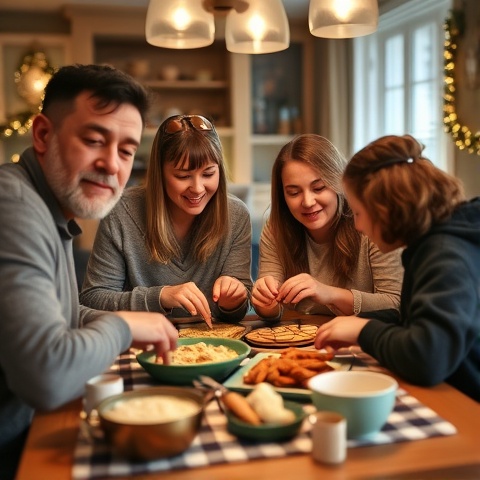
"Mom, do you remember when we used to have pancakes shaped like letters every Sunday morning?" My now-teenage daughter asked this question during a recent family dinner, and I was surprised by the warmth in her voice. What I had considered a simple weekend ritual—letting each child choose their initial for pancake shapes—had become one of her cherished childhood memories. It made me realize that the family traditions we think are just "nice things we do" might actually be the foundation of our children's sense of home and belonging.
In our fast-paced, constantly changing world, family traditions serve as anchors—consistent, meaningful touchstones that remind us who we are and what we value. But here's the challenge: in a culture where traditional extended families often live far apart and both parents frequently work outside the home, how do we create new traditions that fit our modern realities while still providing the stability and connection our children crave?
Why Family Traditions Matter More Than Ever
Research from Emory University shows that children who know their family history and traditions have higher self-esteem, better family functioning, and greater resilience in facing challenges. Family traditions provide a sense of identity, predictability, and belonging that helps children navigate an increasingly complex world with confidence and security.
Understanding What Makes Traditions Stick
Not all family activities become traditions. Some fade away after a few attempts, while others become treasured rituals that children carry into their own families. Understanding what makes the difference can help you create lasting traditions that truly enrich your family's life.
The Elements of Lasting Traditions
Successful family traditions share certain characteristics: they're simple enough to maintain consistently, meaningful enough to feel special, flexible enough to evolve with your family's changing needs, and inclusive enough that everyone can participate in some way. The best traditions don't require expensive purchases or elaborate planning—they just require commitment and creativity.
Starting Small and Growing Naturally
Many families make the mistake of trying to create elaborate traditions that are difficult to maintain. Instead, start with simple rituals that can easily become part of your regular routine. A special bedtime song, a weekly family walk, or a monthly cooking adventure can evolve into meaningful traditions if they're approached with consistency and intentionality.
Types of Family Traditions That Work
Daily Rituals:
Simple, consistent activities like special greetings, bedtime routines, or mealtime practices that happen regularly and create predictable moments of connection.
Weekly Celebrations:
Regular weekly activities like family game nights, special breakfast days, or adventure outings that everyone can anticipate and plan for.
Seasonal Traditions:
Activities tied to seasons or holidays that mark the passage of time and create anticipation throughout the year.
Milestone Celebrations:
Special ways of acknowledging achievements, birthdays, or important life events that make individuals feel valued and celebrated.
Creating Traditions for Modern Families
Working with Your Schedule, Not Against It
Modern families often have complex schedules with work, school, and extracurricular activities. Instead of fighting these realities, create traditions that work with your lifestyle. If weekends are busy with activities, perhaps Tuesday dinner becomes your special family time. If mornings are rushed, maybe evening routines become your moment of connection.
Technology-Balanced Traditions
Rather than completely avoiding technology, consider how to incorporate it meaningfully into family traditions. Weekly video calls with distant grandparents, family photo challenges, or collaborative playlists can become modern traditions that still foster connection and shared experience.
Inclusive Traditions for Blended Families
Blended families face unique challenges in creating traditions that work for everyone. Focus on creating new traditions rather than trying to impose existing ones, and be flexible about participation. Some traditions might involve only certain family members, and that's okay—the key is creating opportunities for connection without forcing participation.
Tradition Ideas That Actually Work for Busy Families
Monthly Family Meetings:
Regular family meetings where everyone shares highlights from the month, discusses upcoming events, and makes decisions together. Include fun elements like special snacks or awards.
Seasonal Decorating Days:
Mark changing seasons by decorating your home together. This can be as simple as changing throw pillows or as elaborate as full seasonal transformations.
Family Recipe Documentation:
Regularly cook family recipes together while documenting the process and stories behind the dishes. Create a family cookbook over time.
Annual Family Time Capsules:
Each year, create a time capsule with photos, letters, and small items that represent your family's current interests and experiences.
Making Traditions Meaningful
Involving Children in Creation
The most successful family traditions are those that children help create and shape. Ask your kids what they'd like to do regularly as a family, let them contribute ideas to existing traditions, and be open to their suggestions for changes or additions. When children feel ownership of family traditions, they're more likely to engage enthusiastically and carry them forward.
Connecting Traditions to Values
The most meaningful traditions are those that reflect your family's values and priorities. If you value creativity, make art-making a regular family activity. If you prioritize service, incorporate regular volunteering into your family routine. If you value connection with nature, make outdoor exploration a consistent part of your family's rhythm.
Storytelling and Memory-Making
Build storytelling into your traditions by regularly sharing family stories, talking about why certain traditions matter to your family, and documenting your experiences through photos, journals, or videos. These stories become part of your family's identity and help children understand their place in the larger family narrative.
When Traditions Need to Change
Healthy family traditions evolve over time. Be willing to adapt when:
- • Children's ages and interests change significantly
- • Family circumstances shift (new babies, job changes, moves)
- • Current traditions become stressful rather than enjoyable
- • Family members consistently express disinterest or resistance
- • Traditions no longer reflect your family's current values or lifestyle
Remember: it's better to modify a tradition than to abandon it entirely. Small adjustments can often revitalize traditions that have become stale or burdensome.
The Long-Term Impact of Family Traditions
Building Identity and Belonging
Family traditions help children develop a sense of identity and belonging that serves them throughout their lives. When children can say "In our family, we..." they're expressing a connection to something larger than themselves. This sense of belonging provides security and confidence that helps them navigate challenges and build healthy relationships.
Creating a Legacy
The traditions you create today will likely influence how your children approach their own families in the future. They may not continue every tradition exactly as you've established it, but they'll carry forward the understanding that regular, meaningful family practices are important for creating connection and stability.
Providing Stability in Uncertain Times
When life becomes unpredictable—whether through global events, family changes, or personal challenges—family traditions provide anchors of stability and normalcy. Children who have experienced consistent family traditions often report feeling more secure and resilient when facing difficult circumstances.
Starting Your Tradition-Building Journey
Begin by observing what your family already enjoys doing together. Look for activities that bring out genuine laughter, conversation, or connection. These natural moments of joy are often the best foundation for developing traditions. Don't feel pressured to create elaborate rituals—the most powerful traditions are often the simplest ones, approached with intention and consistency.
Remember that building family traditions is a marathon, not a sprint. Start with one or two simple practices and let them evolve naturally over time. Pay attention to what brings your family joy and connection, and build on those experiences. The goal isn't to create perfect traditions, but to create meaningful opportunities for your family to connect, celebrate, and grow together. These moments of intentional togetherness become the foundation of your family's unique culture and the memories your children will carry with them throughout their lives.
Start Building Your Family Traditions
Create lasting memories and meaningful traditions with activities your whole family can enjoy together. Our coloring pages provide the perfect foundation for new family traditions!