The Mighty Crayon: How Coloring Builds Essential Fine Motor Skills
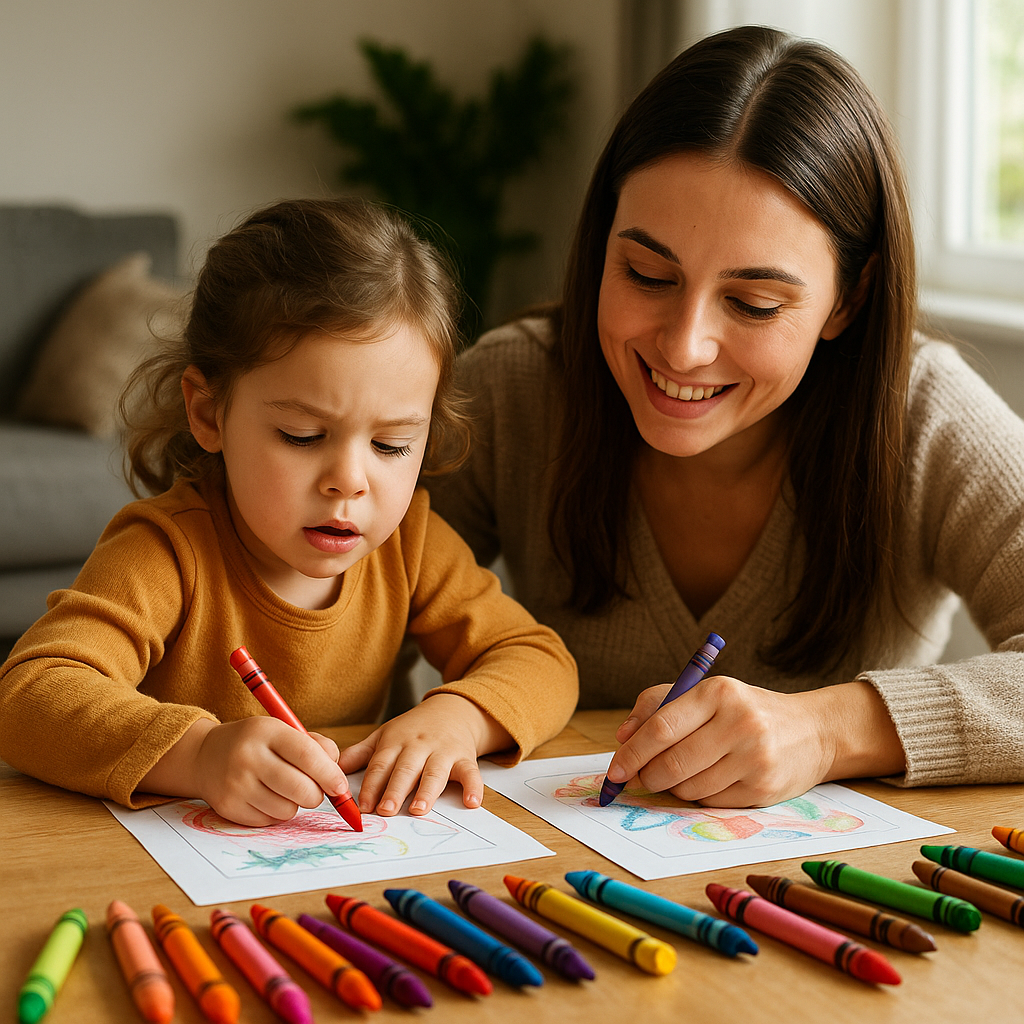
To a child, a box of crayons is a treasure chest of color and fun. To a developmental expert, it's a powerful gym for the hands. Every time your child picks up a crayon, they are building the foundation for one of the most important skills they'll ever learn: writing. This is the power of fine motor skill development, and coloring is one of the most enjoyable ways to achieve it.
Fine motor skills involve the use of the small muscles that control the hand, fingers, and thumb. They allow us to perform crucial tasks like tying shoelaces, buttoning a shirt, and, of course, writing. Strong fine motor skills lead to better handwriting, increased independence, and greater confidence in school.
The Stages of Pencil Grip Development
The way a child holds a crayon evolves naturally. Understanding these stages can help you provide the right support:
- Fisted Grip (1-2 years): The child holds the crayon in a fist. The focus is on making marks, not precision.
- Digital Pronate Grip (2-3 years): The fingers point down towards the paper. More control, but still using whole-arm movements.
- Four-Finger Grip (3-4 years): All four fingers are held against the crayon. Movement starts to come from the wrist.
- Tripod Grip (4-6 years): The mature grip, using the thumb, index, and middle finger. This allows for precise control from the fingers, which is necessary for writing. Coloring provides daily practice to transition through these stages.
Activities to Boost Fine Motor Skills Through Coloring
1. Coloring Within the Lines (and why it matters)
Staying inside the lines isn't just about neatness; it's a complex task that requires significant hand-eye coordination and muscle control. Start with coloring pages that have simple shapes and thick, bold outlines. This provides a larger margin for error and builds confidence. As your child's skills improve, they can move on to more detailed pictures with thinner lines.
2. Use a Variety of Tools
Don't just stick to standard crayons. Introduce different tools to work different muscles. Chunky markers are great for younger kids with a fisted grip. Triangular crayons naturally encourage a better grip. Thin colored pencils require more pressure and precision. This variety provides a well-rounded workout for their hand muscles.
3. The Power of Small Pieces
It might sound counterintuitive, but peeling the paper off crayons and breaking them into smaller pieces is a fantastic fine motor exercise! A small piece of a crayon (about one inch) makes it almost impossible for a child to use a fisted grip. It naturally forces them to use their fingertips in a pincer grip, which is excellent for building the specific strengths needed for writing.
What if My Child Hates Coloring?
That's okay! Many other activities build the same skills. Try using tweezers to pick up pom-poms, threading beads onto a pipe cleaner, playing with Play-Doh, or using droppers to move colored water. The goal is hand strength, and there are many paths to get there.
Remember, the goal is progress, not perfection. Every scribble and every line—inside or outside the boundaries—is a step toward building the strong, coordinated hands your child needs for a lifetime of learning and creating.