Multigenerational Fun: Activities That Bridge the Age Gap
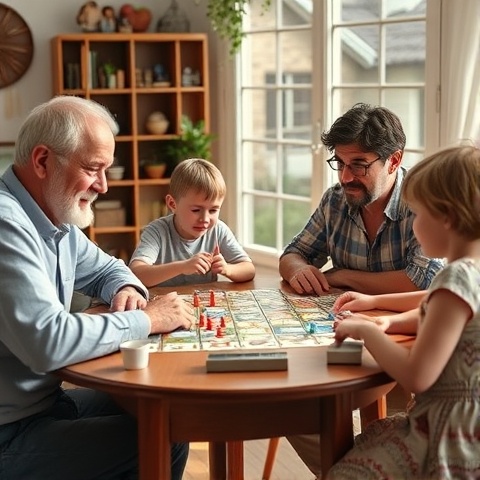
There's something magical that happens when a four-year-old teaches their seventy-year-old grandmother how to play their favorite video game, while grandma shows them how to knead bread dough just right. These intergenerational moments create bonds that last a lifetime and offer learning opportunities that simply can't be replicated within a single generation.
In our increasingly age-segregated society, intentionally creating multigenerational experiences has become more important than ever. Children today often have limited interaction with older adults outside their immediate family, missing out on the wisdom, patience, and unique perspectives that come with age. Meanwhile, older adults lose touch with the energy, creativity, and fresh perspectives that children bring to every interaction.
The Benefits of Multigenerational Bonding
Research from Stanford University shows that children who have regular, meaningful interactions with older adults develop greater empathy, improved communication skills, and a stronger sense of family identity. For older adults, these interactions provide cognitive stimulation, emotional fulfillment, and a sense of purpose that contributes to overall well-being and longevity.
Understanding Different Generational Strengths
Each generation brings unique strengths to family activities. Children offer boundless curiosity, uninhibited creativity, and the ability to find joy in simple things. They see the world with fresh eyes and aren't limited by preconceived notions about what's possible or appropriate.
Parents typically serve as the bridge between generations, understanding both the energy and needs of children and the perspectives and limitations of older adults. They often facilitate interactions and help translate between different generational communication styles.
Grandparents and older adults bring patience, life experience, and hard-won wisdom. They often have time to truly listen and engage with children in ways that busy parents might not always be able to. They also carry family stories, traditions, and skills that might otherwise be lost.
Activities That Work for Everyone
The key to successful multigenerational activities is finding pursuits that offer different levels of engagement and satisfaction for each age group, while still providing opportunities for meaningful interaction and shared accomplishment.
Creative Arts and Crafts Adventures
Collaborative Art Projects:
Create large murals or collages where each generation contributes their own section. Children might add colorful abstracts, parents could contribute organized elements, and grandparents might add detailed work or historical elements.
Pottery and Clay Work:
Working with clay appeals to all ages and abilities. Grandparents can share techniques learned decades ago, while children bring fresh creativity to form and decoration.
Family Scrapbooking:
Combine old family photos with new ones, allowing each generation to tell their stories while creating a tangible family history together.
Coloring and Drawing Sessions:
Provide coloring pages with varying complexity levels. Children can work on simpler designs while adults tackle more intricate patterns, all while sitting together and chatting.
Cooking and Baking Traditions
The kitchen is often the heart of multigenerational bonding. Cooking together creates natural opportunities for storytelling, skill-sharing, and creating delicious memories. Each generation can contribute according to their abilities: children can measure ingredients and mix, parents can handle dangerous tasks like cutting and hot surfaces, and grandparents can share family recipes and techniques.
Consider organizing themed cooking sessions around different cultural traditions or holiday foods. Let grandparents teach traditional recipes while children suggest modern twists. Document these sessions with photos and written recipes to create a family cookbook that preserves both the food traditions and the memories of making them together.
Gardening Across Generations
Gardening provides a perfect metaphor for multigenerational relationships—different plants thrive in different conditions, but they all contribute to a beautiful, thriving ecosystem. Start with a small family garden where each person can have their own section or be responsible for specific plants.
Children love the immediate gratification of fast-growing plants like radishes or lettuce, while grandparents might prefer to nurture slower-growing perennials or fruit trees that will provide joy for years to come. Parents can handle the planning and more physically demanding tasks while facilitating learning opportunities for everyone.
Game-Based Learning and Fun
Board Game Tournaments:
Choose games with varying complexity levels or modify game rules to accommodate different ages and abilities. Classic games like Monopoly can be simplified for younger players while still engaging for adults.
Storytelling Circles:
Take turns adding to a collaborative story, with each generation contributing elements from their own perspective and experience. Record these sessions to preserve the creative collaborations.
Puzzle Challenges:
Large jigsaw puzzles provide hours of collaborative work where each person can contribute according to their abilities—children might sort by color while adults work on complex sections.
Overcoming Common Challenges
Creating successful multigenerational activities isn't always easy. Different generations have different energy levels, attention spans, and interests. The key is flexibility and understanding that the goal isn't perfection—it's connection.
Managing Different Pace and Energy Levels
Accept that activities might move slower than they would with a single generation, and that's okay. Build in break times and quiet moments. Have backup activities ready for when energy levels vary. Sometimes the best bonding happens during the "in-between" moments when you're transitioning from one activity to another.
Bridging Technology Gaps
Rather than avoiding technology differences, embrace them as learning opportunities. Children can teach older adults about new technology, while older adults can share stories about life before modern conveniences. Create projects that combine old and new—perhaps digitizing old family photos while creating new digital scrapbooks together.
Dealing with Different Attention Spans
Plan activities that can be broken into smaller segments or that allow people to step in and out as needed. Have quiet activities available for when someone needs a break, and don't insist that everyone participate in everything. Sometimes watching and cheering from the sidelines is just as valuable as active participation.
Creating Lasting Traditions
The most successful multigenerational activities often become family traditions that are repeated and refined over time. Start small and let traditions evolve naturally:
- • Weekly or monthly family art sessions where everyone works on their own projects together
- • Seasonal cooking parties where you prepare foods associated with holidays or seasons
- • Monthly "teaching parties" where each generation takes turns teaching something to the others
- • Annual family project weeks where you work together on something special like a garden renovation or photo organization
The Long-Term Impact
Children who grow up with regular multigenerational interactions develop a broader perspective on life, greater patience with others, and stronger family identity. They learn that aging is a natural part of life and that every stage of life has value and wisdom to offer.
For older adults, these interactions provide cognitive stimulation, emotional fulfillment, and a sense of continued purpose and relevance. Research shows that grandparents who have regular, meaningful contact with grandchildren have better mental health outcomes and greater life satisfaction.
Building Bridges, Not Walls
In a world that often seems divided by generational differences, intentional multigenerational activities serve as powerful bridges. They remind us that while we may have different perspectives shaped by our unique life experiences, we share common needs for connection, purpose, and love.
Start small with simple activities and let the relationships develop naturally. The goal isn't to force interactions but to create opportunities for authentic connections. When a five-year-old and their great-grandmother work together on a coloring page, sharing crayons and stories, they're not just creating art—they're creating bonds that will last a lifetime and memories that will be treasured by the entire family.
Start Your Multigenerational Adventure
Create meaningful connections across generations with activities that everyone can enjoy together. Our coloring pages provide the perfect starting point for multigenerational bonding!